California Seller Disclosure Requirements: The SF Edition
What you must disclose when selling a home in California — and the extra layers San Francisco adds. A plain-English walk through the TDS, SPQ, NHD, 3R Report, and the city-specific items that catch out-of-area sellers.
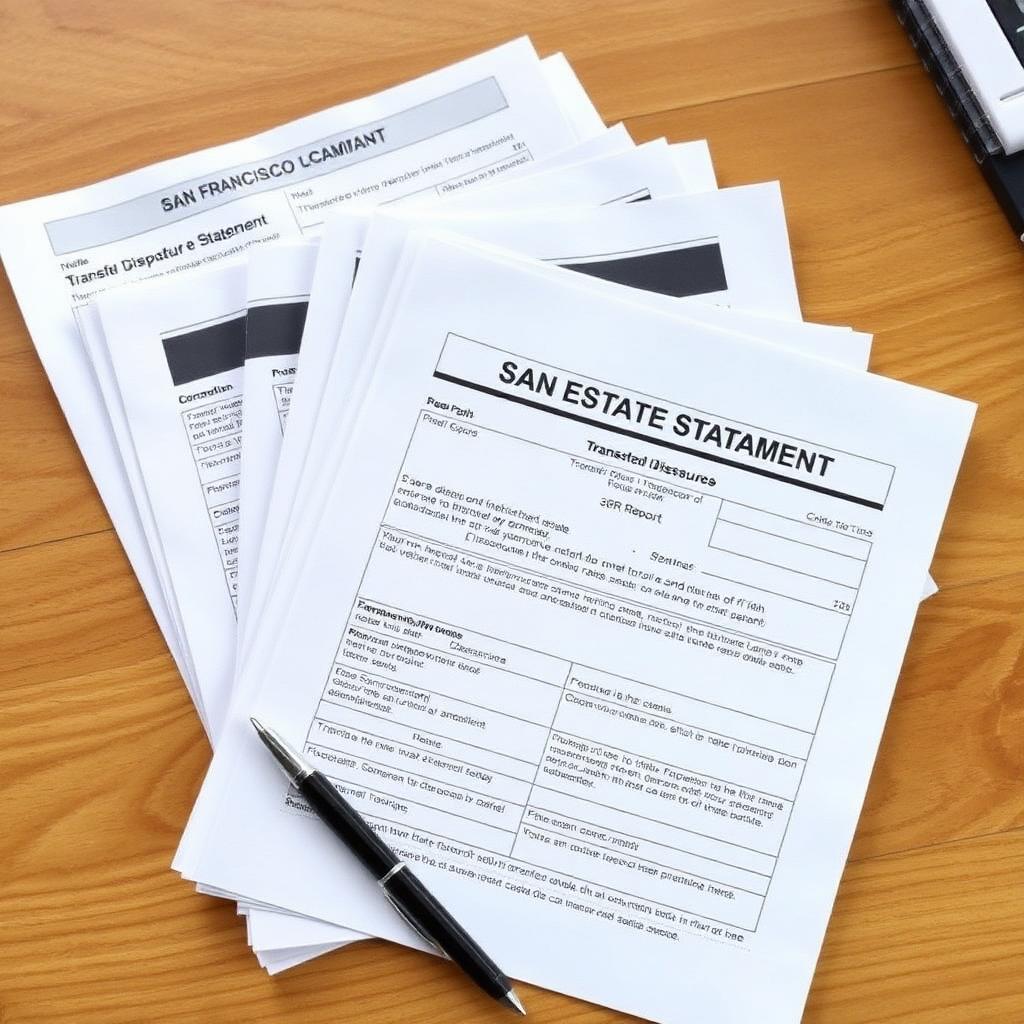
Why disclosure matters more in San Francisco
California is one of the most disclosure-heavy real estate markets in the country. San Francisco then adds its own layer — DBI permits, soft-story status, condo association financials, rent-control history. Get this wrong and you have a lawsuit; get it right and you have a clean sale and a calm escrow.
Christopher's principle: Over-disclose. Always. Every claim I have seen against a seller in 15+ years was about something the seller knew and didn't write down. Almost none were about something they disclosed and the buyer signed off on.
If you're earlier in the timeline, start with the step-by-step selling process.
The standard California disclosure stack
Every California residential resale includes:
| Document | What it does | Who completes |
|---|---|---|
| TDS (Transfer Disclosure Statement) | Statutory disclosure of known material facts | Seller |
| SPQ (Seller Property Questionnaire) | Broader supplemental questions | Seller |
| NHD (Natural Hazard Disclosure) | Flood, fire, seismic, Megan's Law | Third-party provider |
| Lead-based paint disclosure | Pre-1978 homes | Seller |
| Earthquake hazards booklet | Provided to buyer | Provided |
| Environmental hazards booklet | Provided to buyer | Provided |
| Mello-Roos / 1915 Act | If applicable | Title / NHD |
| Megan's Law notice | Provided to buyer | Provided |
| Smoke/CO detector compliance | Statement of compliance | Seller |
| Water heater bracing | Statement of compliance | Seller |
The San Francisco-specific layer
| SF item | What it is | When required |
|---|---|---|
| 3R Report | DBI's report of permits, complaints, and code enforcement history | Required at sale |
| Energy/Water Conservation Compliance | SF requires water and energy retrofits | Inspection at sale |
| Sewer lateral disclosure | SF expects sewer lateral condition disclosed | Standard practice |
| Soft-story compliance | Wood-frame multi-unit buildings 1978 and earlier | Required by ordinance |
| Mandatory seismic retrofit | For applicable building classes | Required by ordinance |
| Tenant disclosure | Rent-control status, current tenancies, prior buyouts | Required for tenant-occupied |
| Underground tank | If present | Required |
The 3R Report and the energy/water inspection are the two SF items most out-of-area sellers forget. Both need to be ordered with enough lead time to land in the disclosure package before listing.
Disclosure-heavy categories that need extra care
Tenant-occupied properties
If your property is or recently was tenant-occupied, you must disclose:
- Current rents and tenancies
- Whether any unit is subject to SF rent control
- Any prior buyouts (filed with the Rent Board) — see the tenant buyouts guide
- Any prior Ellis Act filings
- Any open or recent code violations
- Any tenant disputes, nonpayment history, or pending eviction — see tenant nonpayment guide
Buyers and their attorneys read this carefully because SF rent control rules bind to the unit forever — they don't reset at sale.
Condos and TICs
In addition to the standard package:
- HOA governing documents (CC&Rs, bylaws, rules)
- Last 12 – 24 months of HOA meeting minutes
- Current budget and reserve study
- Master insurance policy
- Litigation disclosure (any current or pending lawsuits involving the HOA)
- Pending special assessments
- For TICs: TIC agreement, group loan terms if applicable
Properties with deferred maintenance or non-permitted work
- All non-permitted improvements must be disclosed
- Any structural issues, leaks, foundation movement, sewer lateral issues
- Past insurance claims
- Any past fire, flood, or seismic damage
Non-permitted bathrooms, in-law units, and decks are very common in SF housing stock and are not deal-killers if disclosed properly. They become deal-killers when discovered late.
How I handle disclosures with my sellers
- Pre-listing meeting — I walk the property with you and we map out every item that may be disclosable.
- 3R Report and energy/water — ordered the same week we sign the listing.
- Pre-listing inspections — general, pest, sewer lateral, roof if older.
- Disclosure draft — your TDS and SPQ filled out in long form, not minimum-checkbox form.
- Package assembly — everything in one PDF that buyer agents can hand to buyers and attorneys.
- Public push — disclosures live in the MLS confidential remarks and on a private link in the listing.
This sounds heavy. In practice it takes 7 – 10 days and saves us 30 days of escrow drama.
What happens if you under-disclose
The exposure is real:
- The buyer can rescind during the inspection contingency.
- After close, the buyer can sue for actual damages, rescission, and potentially punitive damages.
- Statute of limitations on real estate fraud is generous — claims can surface years later.
- Your E&O coverage (and your agent's) does not cover known-but-undisclosed facts.
The cure is simple: write it down. Buyers don't sue over things they accepted on paper.
Common disclosure questions I get
"Do I have to disclose that my neighbor is loud?"
If it's a material, recurring, known issue, yes. Subjective complaints about routine neighborhood life — typically not. When in doubt, write it down.
"What about deaths in the home?"
California requires disclosure of deaths on the property within the last three years (and disclosure of any death if asked).
"What about pets?"
Allergens, prior staining, and any structural damage from pets — yes. Just that you had a dog — no.
"Do I disclose the offer that fell out of escrow?"
Disclose the facts the prior buyer discovered (any inspection findings) — yes. The fact that an offer fell out — not required, but I'll usually recommend it for transparency.
Next steps
Read the step-by-step selling process for how disclosures fit into the full sale timeline, and the home prep guide for what to fix versus what to disclose-and-credit.
📞 Have a tricky disclosure question? Reach me through the contact page. I'd rather you ask twice than under-disclose once.
Frequently asked questions
The questions San Francisco buyers, sellers, and landlords ask me most often on this topic. All answers are expanded by default — click any question to collapse it.
Do I have to disclose unpermitted work in San Francisco?+
What's a 3R Report and do I need one?+
Do I disclose a prior tenant buyout?+
What if I don't know about a defect?+
Can I sell 'as-is' and skip disclosures?+
Related San Francisco guides
Keep going — these are the next reads I'd hand a seller client after this one.
The pre-listing playbook San Francisco sellers actually need: which projects return more than they cost, what to skip, the realistic prep timeline, and how staging works in SF (where Victorians, Edwardians, and small-footprint condos each need different treatments).
Seasonal patterns, week-of-launch effects, and the personal triggers that actually drive a successful sale. The honest answer to 'when should I list?' from a Realtor who watches the SF market every day.
The real timeline, decisions, and trade-offs of selling a home in San Francisco — from the first valuation conversation through close of escrow, by a Realtor who has done it block by block across the city.
Line-item breakdown of what it costs to sell a home in San Francisco — commissions, the tiered SF transfer tax, title, escrow, prorations, and the small line items that quietly add up.
The complete, plain-English guide to San Francisco rent control: which buildings are covered, how much rent can legally go up, allowable passthroughs, owner move-in and Ellis Act rules, buyouts, and the mistakes that cost landlords and tenants the most money.
Christopher Lee's definitive first-time buyer playbook for San Francisco — how to set a real budget, choose the right neighborhood, win in multiple offers, navigate TICs and condos, and avoid the mistakes that cost SF buyers six figures.
How to evaluate, underwrite, finance, and operate San Francisco multi-family properties — written from over a decade of buy-side and listing experience. Covers cap rates, rent-controlled rent rolls, condo and TIC exits, soft-story risk, and the underwriting mistakes that quietly destroy returns.
What will you actually walk away with?
Model commission, transfer tax, payoff, and capital gains to see your net proceeds.