When to Sell Your San Francisco Home: Timing Strategy
Seasonal patterns, week-of-launch effects, and the personal triggers that actually drive a successful sale. The honest answer to 'when should I list?' from a Realtor who watches the SF market every day.
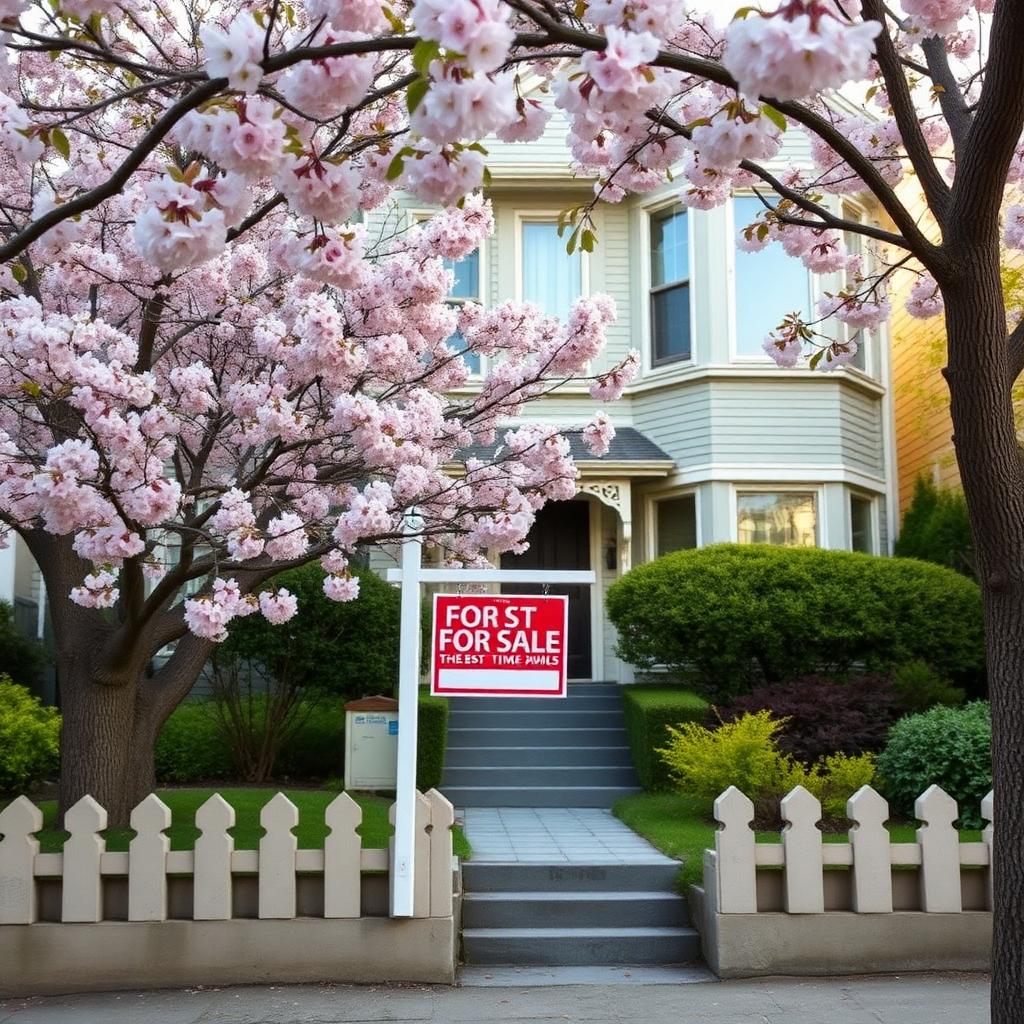
The two timing questions
Every seller asks "when should I sell?" and means one of two different things:
- Macro timing — what year, what part of the cycle?
- Micro timing — what week of the year, what day of the week?
Macro timing is mostly out of your control and mostly overthought. Micro timing is fully in your control and consistently moves the needle. I'll cover both honestly.
Christopher's take: Most sellers worry about the wrong timing question. The macro cycle adds or subtracts 5 – 10% over multi-year swings. The micro window — the actual week you launch — routinely adds or subtracts 5 – 8% on a single sale. Spend your energy on the one you control.
Macro timing — should you wait for "a better market"?
Honest framing on the cycle question:
- If you're selling to leave SF entirely, macro timing matters more — you're realizing the gain.
- If you're selling to buy again in SF (move-up, downsize, neighborhood swap), macro timing matters less — you're trading at the same point in the cycle.
- If you're selling investment property, macro timing matters but is offset by rent income while you wait; see the landlord exit strategy guide.
I have helped sellers come out fine in every kind of market — soft, neutral, hot. What I have not seen work: sitting on the sidelines waiting for "the perfect time," then selling reactively when life forces a sale. Reactive sales underperform planned sales every time.
Micro timing — the SF seasonal pattern
San Francisco has two strong windows and two weaker windows:
| Window | Strength | Why |
|---|---|---|
| Early March – early June | Strongest | Spring buying season, tax refunds in hand, weather cooperating, peak inventory shopping |
| Late June – mid-August | Moderate | Slower — buyers traveling, families distracted by summer plans |
| Mid-September – late October | Strong second window | Buyers re-engaged, year-end tax planning, "want to be in before holidays" |
| Mid-November – mid-January | Weak | Holidays, year-end distractions, fewer serious buyers in market |
Within those windows, the week of launch matters too. Some practical patterns:
- Avoid launching the week of a major holiday or three-day weekend.
- Avoid launching the week of a major SF event that pulls attention away.
- The first two weeks of a strong window often see the most aggressive offers — early buyers have been waiting and have cash ready.
Day of the week to go live
In San Francisco, the standard cadence is:
- Thursday: Go live on MLS, run agent preview, launch marketing.
- Saturday & Sunday: Open houses.
- Following Saturday & Sunday: Second weekend opens.
- Tuesday or Wednesday after second weekend: Offer date OR direct negotiation.
Why Thursday? Buyers and their agents do their weekend planning Thursday and Friday. Launching Monday burns three days of "freshness" before any meaningful traffic.
Neighborhood-level patterns matter more than citywide
Citywide patterns are averages. The neighborhood you're in often has its own rhythm:
- Family-heavy neighborhoods (Noe Valley, West Portal, Sunset, Richmond) align with school-calendar buyers — spring and early fall are sharply better.
- Pied-à-terre / luxury neighborhoods (Pacific Heights, Russian Hill, Telegraph Hill) are less seasonal — international and high-end buyers shop year-round.
- Tech-heavy condo neighborhoods (Mission Bay, SoMa, Hayes Valley) move with the IPO calendar and RSU vest schedules more than the seasons.
When I value a property, I look at neighborhood-level sale velocity and not just citywide patterns. Browse the SF neighborhoods directory for what each pocket looks like today.
Personal triggers — when life timing overrides market timing
If any of these are true, list now and stop waiting for "a better month":
- You've already bought your next home and are carrying two mortgages.
- You're separating or going through divorce and need certainty.
- You've inherited the property and are out of state.
- You're a landlord whose tenants just gave notice — the empty window is precious.
- A job change is moving you in under 90 days.
Christopher's rule: Life timing trumps market timing. A "well-timed" sale that drags an extra six months because you waited often nets less than an "off-season" sale that closes on schedule.
What about market headlines?
Headlines lag the market by 2 – 4 months. By the time the news says SF is "hot" or "cold," the next move has usually already started. I track pending-sale activity, days on market, and price-cut frequency weekly — that data leads the headlines.
If you want my read on the current week, contact me. I'll send you the current snapshot for your specific neighborhood.
When to start the conversation
For a target spring launch (March – May), start in December – January. For a target fall launch (mid-September – October), start in June – July. Pre-listing prep, inspections, and the disclosure package realistically need 6 – 10 weeks of runway.
Read next: the step-by-step selling process, the prep and staging playbook, and the seller closing costs breakdown.
📞 Wondering if this is your week? Reach out through the contact page and I'll give you a direct, no-hype read on your specific neighborhood.
Frequently asked questions
The questions San Francisco buyers, sellers, and landlords ask me most often on this topic. All answers are expanded by default — click any question to collapse it.
Is it better to sell in spring or fall in San Francisco?+
Should I wait for the market to improve before listing?+
What day of the week should my home go live?+
How long before listing should I start prepping?+
Do San Francisco buyers really shop in December?+
Related San Francisco guides
Keep going — these are the next reads I'd hand a seller client after this one.
The pre-listing playbook San Francisco sellers actually need: which projects return more than they cost, what to skip, the realistic prep timeline, and how staging works in SF (where Victorians, Edwardians, and small-footprint condos each need different treatments).
The real timeline, decisions, and trade-offs of selling a home in San Francisco — from the first valuation conversation through close of escrow, by a Realtor who has done it block by block across the city.
Line-item breakdown of what it costs to sell a home in San Francisco — commissions, the tiered SF transfer tax, title, escrow, prorations, and the small line items that quietly add up.
What you must disclose when selling a home in California — and the extra layers San Francisco adds. A plain-English walk through the TDS, SPQ, NHD, 3R Report, and the city-specific items that catch out-of-area sellers.
The complete, plain-English guide to San Francisco rent control: which buildings are covered, how much rent can legally go up, allowable passthroughs, owner move-in and Ellis Act rules, buyouts, and the mistakes that cost landlords and tenants the most money.
Christopher Lee's definitive first-time buyer playbook for San Francisco — how to set a real budget, choose the right neighborhood, win in multiple offers, navigate TICs and condos, and avoid the mistakes that cost SF buyers six figures.
How to evaluate, underwrite, finance, and operate San Francisco multi-family properties — written from over a decade of buy-side and listing experience. Covers cap rates, rent-controlled rent rolls, condo and TIC exits, soft-story risk, and the underwriting mistakes that quietly destroy returns.
What will you actually walk away with?
Model commission, transfer tax, payoff, and capital gains to see your net proceeds.