Prepping and Staging Your SF Home for Sale
The pre-listing playbook San Francisco sellers actually need: which projects return more than they cost, what to skip, the realistic prep timeline, and how staging works in SF (where Victorians, Edwardians, and small-footprint condos each need different treatments).
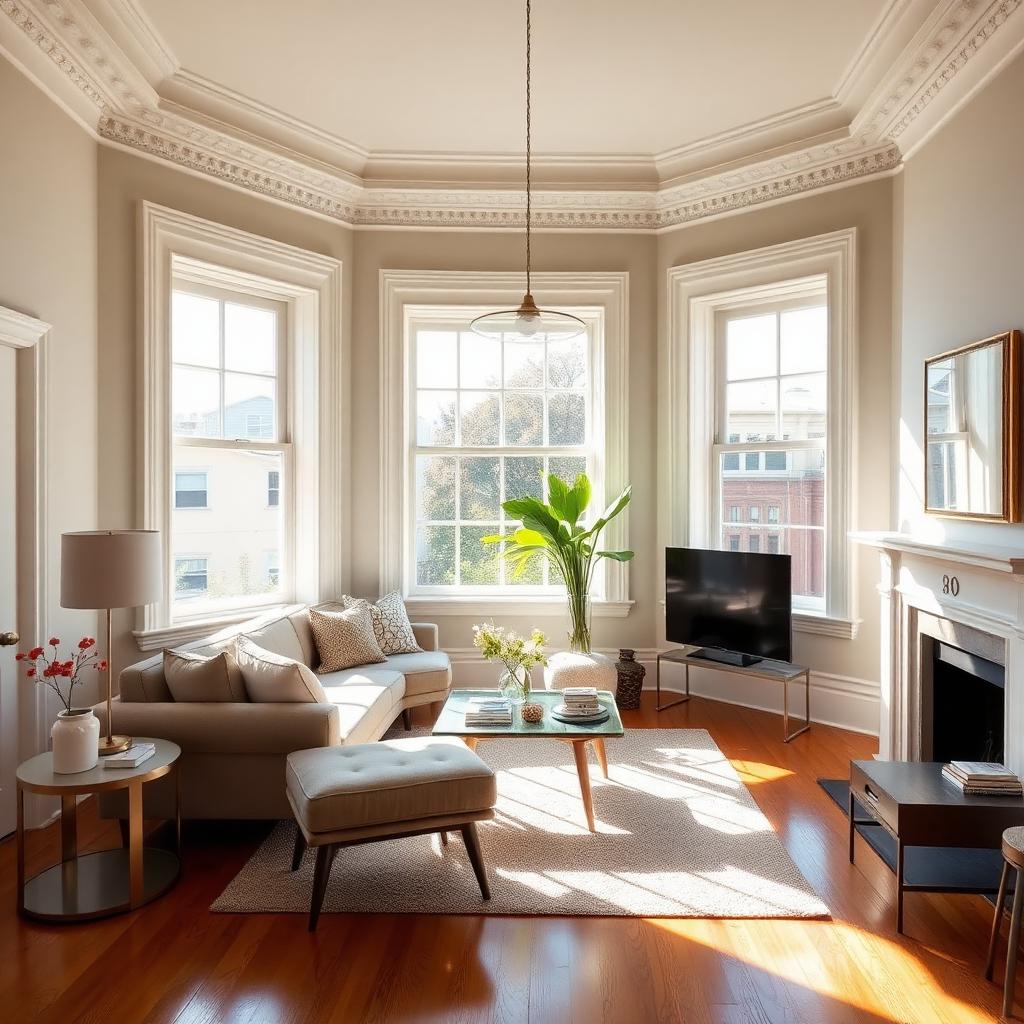
Photo: A typical staged Victorian living room I prepared for a recent listing — neutral palette, scale-appropriate furniture, the bay windows doing the heavy lifting.
I'm Christopher Lee — a San Francisco Realtor and property manager (CA DRE #02120811). Every year I prep dozens of SF homes for sale — Victorians in Bernal, condos in SoMa, Sunset bungalows, Marina flats, Pacific Heights co-ops. The pre-listing process is not optional in this market. The difference between a well-prepped, well-staged SF home and an as-is listing is regularly 5-15% on sale price and 20-60 days on market, which together can move a single listing's outcome by hundreds of thousands of dollars.
This is the evergreen home-prep and staging playbook I use with my seller clients. It covers the pre-listing ROI hierarchy (what to spend money on and what not to), staging strategy by SF building type, photo/video production, copy and listing strategy, the open-house cadence that actually works here, and what to do during escrow to protect the price.
Why this matters. In a market where the median sale closes 5-15% above list, the work that happens in the four weeks before the listing goes live is more important than anything that happens after. The post-list game is largely the consequence of the pre-list preparation.
The pre-listing ROI hierarchy
Not every dollar of prep work returns the same multiple. After hundreds of SF listings, I rank the categories by typical ROI:
| Category | Typical cost | Typical ROI on sale | Notes |
|---|---|---|---|
| Decluttering and deep clean | $500–$3,000 | 3–10x | Always worth it |
| Professional staging | $3,000–$15,000 | 5–15x | Almost always worth it |
| Paint (interior) | $4,000–$15,000 | 3–7x | Worth it unless paint is recent and neutral |
| Refinish hardwood floors | $3,000–$10,000 | 2–5x | Worth it on dated floors |
| Light fixture replacement | $1,000–$3,000 | 3–6x | High visual impact, low cost |
| Cabinet hardware swap | $200–$800 | 5–10x | Easiest small upgrade in SF |
| Landscaping (curb appeal) | $1,500–$8,000 | 2–4x | More important than buyers realize |
| Kitchen counter replacement | $4,000–$12,000 | 1.5–2.5x | Only if existing is dated/damaged |
| Bathroom resurfacing/refresh | $2,000–$8,000 | 2–4x | Often worth it |
| Full kitchen remodel | $40,000–$150,000+ | 0.7–1.3x | Usually not worth it pre-sale |
| Full bath remodel | $20,000–$60,000 | 0.8–1.2x | Usually not worth it pre-sale |
| Roof replacement | $25,000–$80,000 | Avoids 1.5-3x deduction | Buyer credit often better |
| Foundation/seismic work | $20,000–$100,000+ | Avoids contingency-driven price erosion | Strategy-dependent |
The general rule: the cheaper categories at the top of the table almost always return their cost many times over. The expensive renovation categories at the bottom often don't return their cost on resale. A buyer who walks into a clean, staged, freshly painted home with refinished floors will pay 90% of what they'd pay for the same home after a $100K renovation — at a fraction of the seller's cost and risk.
Local insight. SF buyers expect to do their own kitchen or bath remodel. They don't expect to scrub baseboards. Spend on the things they expect to be done before they walk in.
Staging strategy by SF building type
Different SF building types have different staging expectations. Generic "blank slate gray modern" staging works in a SoMa loft but looks wrong in a Pacific Heights Edwardian. Match the staging to the architecture.
Victorian and Edwardian flats (most pre-1920 SF housing)
- Honor the architecture. Original moldings, ceiling medallions, picture rails — these are why buyers pay a premium for these buildings. Don't paint them away under heavy modern furniture.
- Color palette: warm neutrals. Cream, soft greige, warm white. Avoid stark cool whites — they fight the warm wood floors most of these buildings have.
- Furniture: mid-century or contemporary classic. Eames, Saarinen, mid-century-modern lines. Avoid heavy traditional or ornate furniture that competes with the existing architectural detail.
- Bay windows are the hero. Stage the seating to face the bay or position art that draws the eye toward it.
- Bedrooms: queen-sized beds maximum in most second bedrooms. King beds make Victorian bedrooms look smaller, not larger.
1920s-1940s Marina-style buildings
- Soft, light, airy. These buildings often have less architectural detail than Victorians and benefit from light-toned staging.
- Pale wood furniture, light textiles.
- Original details (built-ins, archways, fireplaces) become focal points.
- Stage to emphasize natural light — sheer drapes, mirrors opposite windows, low-profile furniture under windows.
Sunset and Richmond bungalows / "merchant" houses
- Make the back room sing. Most Sunset and Richmond houses have a kitchen-dining room at the back with a yard view. Stage it as the social heart of the home.
- Garage matters. A two-car garage with workshop potential is a major SF amenity — stage it clean and lit, with one staged use case (workshop, gym, storage with shelving).
- Neutralize the front room. Many of these houses have a small formal front living room that families don't use day-to-day. Stage it as a comfortable reading or sitting area, not as the main entertaining space.
SoMa, Mission Bay, Dogpatch (newer construction)
- Modern minimal. Clean lines, monochrome with single accent color, sculptural light fixtures.
- Use the views. Floor-to-ceiling windows in many of these buildings are the value. Stage the seating to face the view, not the TV.
- Highlight building amenities. Even though staging is in-unit, your marketing materials should foreground the building gym, roof deck, concierge, parking.
Co-ops and high-rise condos (Pac Heights, Russian Hill, Nob Hill)
- Slightly more formal than other styles. These buyers expect traditional luxury cues — high-quality finishes, fine art, classic silhouettes.
- Light, neutral palette with rich accent textures (velvet, silk, brass).
- Stage to emphasize the building's address and views — this is a category where the building's reputation matters as much as the unit.
The pre-listing punch list
Before staging, here's the order of work I run:
Week 1: Discovery and planning
- Walk-through with seller and stager
- Pre-listing inspection (general + pest + roof + sometimes sewer lateral)
- 3R report review and disclosure prep
- Contractor scope for paint, floors, fixtures
- Photo and video scheduling
Week 2: The unsexy work
- Trash haul and donation pickup
- Deep clean (including windows, baseboards, inside cabinets)
- Pest treatment if recommended
- Minor repairs (caulk, grout, door latches, switch plates, doorbell)
- Replace any cracked windows
- Replace any non-working light bulbs and burnt-out fixtures
Week 3: The visible upgrades
- Paint (interior; sometimes exterior touch-ups)
- Floor refinishing (typically 5-7 days for traditional refinish; less for screen-and-coat)
- Cabinet hardware swap
- Light fixture swap (especially dated dining/foyer fixtures and bathroom vanity lights)
- Window treatments updated or removed
- Yard work and landscaping
Week 4: Staging and photography
- Staging install (typically 2-3 days)
- Professional photography (during best light for the building's orientation)
- Drone exterior for select properties
- Walk-through video
- Floor plan (with measurements) for the listing
Listing go-live
- MLS input
- Targeted distribution (Compass, Zillow, Redfin, Trulia, brokerage networks)
- Open house schedule announced
- Pre-broker tour
- Brokers' tour
What to fix, what to disclose
Some defects are cheap to fix and stupid not to. Some are too expensive to fix and better disclosed honestly. The framework I use:
Always fix before listing
- Cosmetic defects (paint scuffs, scratched walls, broken trim, stained ceiling tiles)
- Minor plumbing leaks
- Burned-out lights, broken switches, missing outlet covers
- Visible mold growth in any wet area
- Squeaky doors and broken locks
- Yard overgrowth and weeds
- Pest evidence (droppings, webs, visible nests)
Often worth fixing
- Older windows that won't open or seal
- Dated light fixtures, faucets, towel bars
- Worn kitchen and bathroom hardware
- Carpet replacement if it's old/stained (and the underlying floor is hardwood — even better, remove and refinish)
- Dingy grout (regrout or refresh)
Usually better to credit / disclose than fix
- Roof end-of-life (offer a credit instead of replacing — credit often beats the cost)
- Foundation work disclosed by inspection (disclose, get a contractor's bid, offer a credit or price adjustment)
- Soft-story retrofit obligations on multi-family (disclose and price; some buyers will want to take it on themselves)
- Sewer lateral failure (disclose with bid; coordinate with buyer)
- Galvanized plumbing (disclose; pricing reflects)
- Knob-and-tube electrical (disclose; some lenders care, some don't)
Common mistake. Sellers spend $40,000 to fix a roof "for the listing" when offering a $20,000 credit would have produced the same offer at half the cost — and avoided 3-4 weeks of delay. Run the credit-vs-fix math on every major capital item.
Pricing strategy
San Francisco pricing strategy is its own subject. Here are the principles that matter for the home-prep conversation:
Strategic underpricing
The dominant SF playbook for desirable properties: list ~10-15% below the agent's true valuation to drive multiple offers and over-list bidding. The strategy works when:
- The property is in genuinely high demand
- The list price is plausible enough to draw interest without looking absurd
- The agent has the marketing reach to generate enough traffic to produce competing offers
The strategy fails when:
- The property has issues (condition, location, layout) that limit the buyer pool
- The market has softened to where multiple offers aren't likely
- The list price is so far below value that serious buyers dismiss it
Pricing to value
In some segments — high-end Pacific Heights, distinctive architectural properties, properties where the right buyer is rare — pricing at or slightly above the agent's valuation works better. The strategy attracts the buyers who would close at the right price and discourages speculative low-ball offers.
Pricing in soft markets
In a soft market, pricing matters more than staging — but staging still matters. A well-prepped listing in a soft market sells; an as-is listing sits.
Photography and video
Professional listing photography is non-negotiable in SF. Real numbers from my listings:
- Listings with professional photos receive 3-5x the online views of listings with phone photos.
- Listings with floor plans convert online views to in-person tours at ~1.5x the rate.
- Listings with walk-through video reduce the "tour just to see if it's real" visit rate, focusing serious buyers.
- Listings with drone shots (for view-relevant properties) materially increase out-of-area interest.
Photo direction principles
- Shoot during the property's best light hour (east-facing rooms in the morning, west-facing in the afternoon)
- Wide-angle but not distorted (a good photographer knows the difference)
- Lights on, blinds open, staging tidied for every shot
- Hero exterior shot from the angle that shows the property's best face
- One shot per room minimum; two for kitchen and primary bedroom
- Detail shots of architectural features (moldings, fireplace, built-ins)
Video and 3D
- A 60-90 second walk-through video on the listing page increases time-on-listing dramatically.
- Matterport 3D tours let out-of-area buyers preview the home in detail and are valued by buyers in markets where remote bidding is common.
The disclosure package
San Francisco's disclosure package is its own marketing document — make sure it's complete, organized, and easy to read. Buyers (and their agents) judge the seriousness of the seller by the quality of the disclosure package.
Standard components:
- TDS (Transfer Disclosure Statement)
- SPQ (Seller Property Questionnaire)
- 3R Report (Report of Residential Building Record)
- Pre-listing inspection (general)
- Pest inspection
- Roof inspection
- Sewer lateral inspection (where applicable)
- Earthquake hazard disclosures
- Lead disclosure (pre-1978 buildings)
- Mello-Roos / supplemental tax disclosure
- HOA documents (condos)
- Permits and contractor warranties
- Receipts for recent capital work
- Title commitment
A complete, well-organized package can shave days off the diligence cycle and signals to buyers that the seller is prepared, transparent, and not hiding anything.
Open house cadence
The SF open house culture is its own thing. Best practice for a typical SFR or condo listing:
- Brokers' tour Tuesday — invite the SF agent community.
- Twilight open Friday evening — for working professionals.
- Saturday open 1-3 pm — main public open.
- Sunday open 1-3 pm — main public open.
- Private tours scheduled throughout the week by buyers' agents.
- Offers due typically the following Tuesday or Wednesday.
A two-week marketing period from list to offer-due-date is standard. Cutting it shorter compresses interest; running longer dilutes urgency.
During escrow: protect the price
Once you're under contract, the work shifts to keeping the deal together at the agreed price. Things that go wrong in escrow:
Appraisal comes in below price
In a strong market, appraisal gaps are common. Strategies:
- Push for an appraisal contingency waiver (in the offer stage)
- Provide the appraiser with comp packages and a list of upgrades
- Be prepared to negotiate the gap — seller credit, buyer cash addition, or a split
Inspection re-trade
Buyers will sometimes try to renegotiate after the inspection — even when they did a pre-offer inspection. Strategies:
- Have a clean pre-listing inspection so the buyer's report contains few surprises
- Offer credits for clearly documented defects; reject re-trade attempts based on items already disclosed
- Be prepared to walk if the re-trade is unreasonable and a backup offer exists
Lender delays
SF jumbo lenders move slowly. Build buffer into the close date. Be available to provide additional documentation.
Tenant or HOA surprises
For condos, surprise HOA litigation or special assessment news can derail escrow. Get the HOA package early and review aggressively.
A worked example
A real-ish example. A 3BR/2BA Bernal Heights Victorian, single-family, ~1,900 sqft.
Starting condition: Original kitchen and bath from a 1995 remodel, dingy paint, scratched original floors, dated brass fixtures, overgrown front yard, cluttered with seller's belongings.
Pre-listing investment:
- Cleanout and donation: $2,800
- Deep clean: $1,200
- Paint interior (all walls and trim): $11,000
- Refinish hardwood floors: $7,500
- Light fixture swap (8 fixtures): $2,400
- Cabinet hardware swap (kitchen + 2 baths): $600
- Front yard cleanup and refresh: $4,500
- Staging (4 weeks): $9,000
- Professional photo + video + floor plan: $1,500
- Pre-listing inspections (general, pest, roof): $1,800
- Total: $42,300
List price: $1,495,000 (strategically priced below estimated $1,600K value to attract multiples).
Outcome: 14 days on market, 11 offers, sold for $1,840,000 — 23% over list, ~15% over the pre-staging valuation estimate.
Net to seller after costs: Pre-staging valuation ($1,600K) minus $42K prep = $1,558K. Actual outcome of $1,840K minus the same $42K prep = $1,798K. The prep generated roughly $240K of additional net to the seller — about a 5.7x return on the prep investment.
This is a strong example, not a guarantee. But the rough magnitude — single-digit thousands of investment producing six figures of incremental sale price — is the norm, not the exception, on properly prepared SF listings.
What this means for sellers
If you're considering listing your SF home in the next 6-12 months, the work to start now is:
- Walk through the home with fresh eyes. What dates the property? What's the first thing a buyer's agent would say?
- Get a pre-listing valuation — not a Zestimate, an in-person agent walk-through with realistic price ranges.
- Plan the prep budget. Aim for 1-2% of expected sale price on visible prep (excluding any major capital items).
- Identify any defects worth addressing now vs. later via credit.
- Calendar the marketing window — SF has clear seasonal patterns (March-May and September-November are strongest).
For the broader seller economics (closing costs, capital gains, what happens after sale), see my Landlord Exit Strategy guide if you're a landlord, or contact me for a primary-residence seller analysis.
Working with me on a listing
When I take on a listing, my process:
- Initial walk-through — honest valuation conversation, prep scope discussion.
- Vendor coordination — staging, painters, floor refinishers, photographer, inspectors. I have a stable of vetted vendors I work with on every listing.
- Disclosure package preparation — full assembly and review.
- Pricing strategy and marketing plan — list price, open house calendar, distribution.
- Offer review and negotiation — multiple-offer management, terms negotiation, escrow setup.
- Escrow management — appraisal management, inspection coordination, closing logistics.
If you're planning to sell in the next year, schedule a pre-listing consultation. The earlier we start, the more options you have and the better the outcome.
Frequently asked questions
The questions San Francisco buyers, sellers, and landlords ask me most often on this topic. All answers are expanded by default — click any question to collapse it.
How much should I spend prepping my SF home for sale?+
Is staging worth it in San Francisco?+
Should I paint before listing?+
What about kitchens and bathrooms?+
How long does pre-listing prep take?+
Should I pre-inspect?+
What if my home is tenant-occupied?+
How important are photos and video?+
Related San Francisco guides
Keep going — these are the next reads I'd hand a seller client after this one.
Seasonal patterns, week-of-launch effects, and the personal triggers that actually drive a successful sale. The honest answer to 'when should I list?' from a Realtor who watches the SF market every day.
The real timeline, decisions, and trade-offs of selling a home in San Francisco — from the first valuation conversation through close of escrow, by a Realtor who has done it block by block across the city.
Line-item breakdown of what it costs to sell a home in San Francisco — commissions, the tiered SF transfer tax, title, escrow, prorations, and the small line items that quietly add up.
What you must disclose when selling a home in California — and the extra layers San Francisco adds. A plain-English walk through the TDS, SPQ, NHD, 3R Report, and the city-specific items that catch out-of-area sellers.
The complete, plain-English guide to San Francisco rent control: which buildings are covered, how much rent can legally go up, allowable passthroughs, owner move-in and Ellis Act rules, buyouts, and the mistakes that cost landlords and tenants the most money.
Christopher Lee's definitive first-time buyer playbook for San Francisco — how to set a real budget, choose the right neighborhood, win in multiple offers, navigate TICs and condos, and avoid the mistakes that cost SF buyers six figures.
How to evaluate, underwrite, finance, and operate San Francisco multi-family properties — written from over a decade of buy-side and listing experience. Covers cap rates, rent-controlled rent rolls, condo and TIC exits, soft-story risk, and the underwriting mistakes that quietly destroy returns.
What will you actually walk away with?
Model commission, transfer tax, payoff, and capital gains to see your net proceeds.