Home Inspection Guide for San Francisco Buyers
Foundation, drainage, sewer lateral, soft-story, knob-and-tube, microclimates — the inspection issues unique to San Francisco and how to negotiate when they come up.
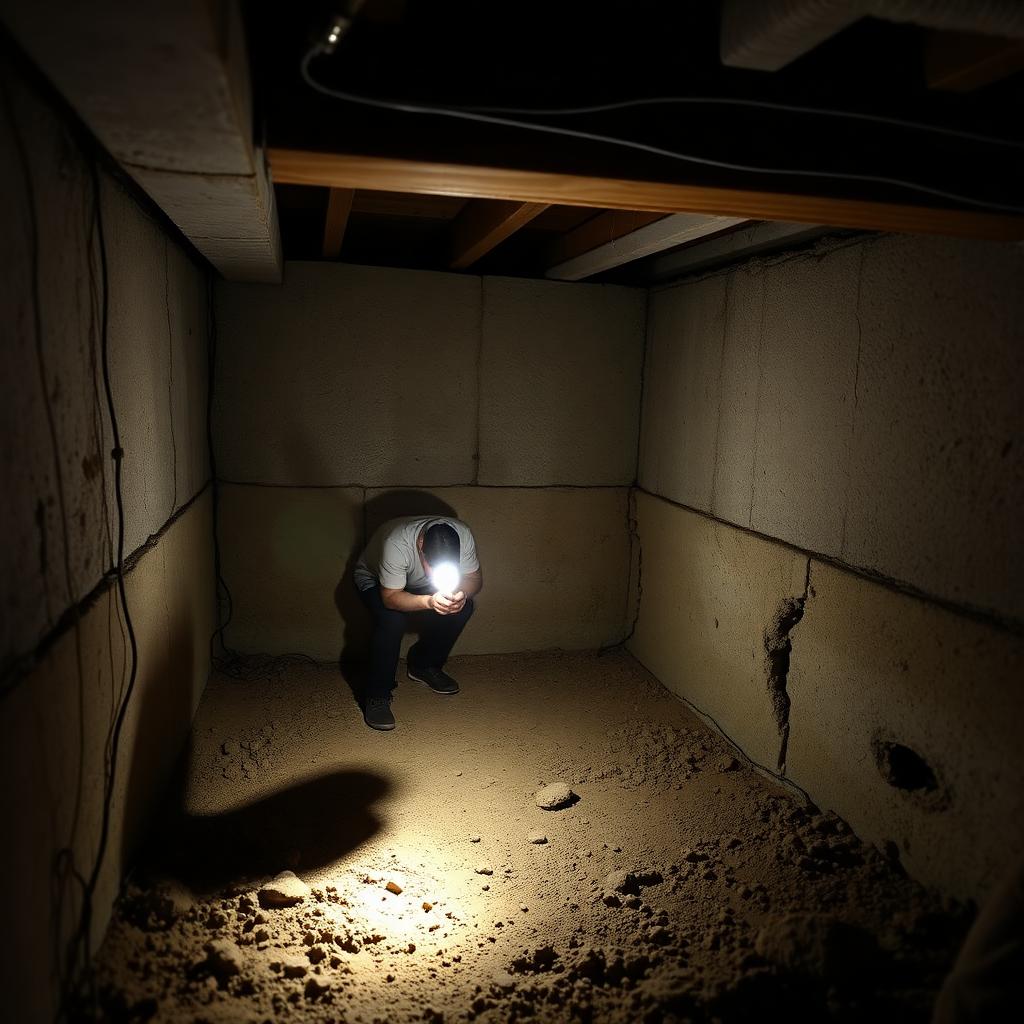
Home Inspection Guide for San Francisco Buyers
I'm Christopher Lee, San Francisco Realtor (DRE #02120811). The inspection phase is where the most leverage exists in any San Francisco purchase — and where the most buyers make expensive mistakes by either over- or under-reacting to what an inspector finds.
This guide is the inspection playbook I walk every buyer through. It covers what to inspect (it's more than you think), what's normal versus what's a real problem in SF, how to read inspection reports, and how to negotiate effectively after the inspections come back.
Already in contract? Schedule a call and I'll walk you through the negotiation. If you're earlier in the process, start with the First-Time Buyer Guide.
The seven inspections every SF buyer should order
A general home inspection alone is not enough in this city. Here's the full menu I recommend, with rough costs:
| Inspection | Typical cost | When to order |
|---|---|---|
| General home inspection | $650–$1,200 | Always |
| Sewer lateral video scope | $300–$500 | Always for SFH/2-4 unit; sometimes for ground-floor condos |
| Foundation (structural engineer) | $500–$1,500 | Any pre-1950 SFH, any property with visible cracks |
| Pest / wood-destroying organism (WDO) | $400–$700 | Always |
| Roof | $300–$500 | Any property where roof age is uncertain |
| Chimney | $200–$400 | If wood-burning fireplace, especially pre-1990 |
| Pool / spa | $200–$400 | If applicable (rare in SF) |
Specialty inspections to consider:
- Soils / geotechnical for hillside properties
- Asbestos & lead paint for pre-1978 properties
- Mold air-quality test if visible water staining
- HVAC if forced-air system is older than 12 years
Total cost in a typical SF SFH purchase: $1,500–$3,500 in inspection fees. Money well spent on a $1.5M+ home.
San Francisco–specific issues to look for
These are the items that come up in this city far more than the rest of the country.
Foundation and structural
Many SF homes were built between 1880 and 1940. Foundations evolved from brick, to unreinforced concrete, to reinforced concrete. Common findings:
- Unreinforced masonry / URM foundation. Brick foundations on Victorians. Should be retrofitted; reduces earthquake risk dramatically.
- Cripple wall (soft-story). First-floor wood-framed walls under a building, often with garage openings. Pre-1991 buildings often need bracing.
- Sagging center beam. Common in long railroad-style flats. Sometimes structural, sometimes cosmetic.
- Settlement cracks. Diagonal cracks at door corners are common; horizontal cracks across foundation walls are not.
Always get a structural engineer (not just a general inspector) on pre-1940 properties.
Sewer laterals
Every SF property has a sewer lateral — the pipe from the building to the city main. They are the homeowner's responsibility. Common findings:
- Tree roots intruding through joints (especially in pipes that pass under trees)
- Bellies (sags) holding standing water
- Offsets at clay-to-clay or clay-to-cast-iron transitions
- Complete failure in pre-1960 clay pipe
Repair cost: $5,000–$25,000 depending on length, depth, and city street disruption. Always scope the lateral, even on newer construction.
SF has a Sewer Lateral Inspection Ordinance requiring compliance certification when properties are sold or substantially renovated. Familiarize yourself before negotiating credits.
Drainage and water intrusion
SF's microclimates and hillside lots produce specific water issues:
- Outer Sunset / Richmond — sand-based soil, generally good drainage but coastal moisture
- Bernal Heights / Twin Peaks / Diamond Heights — hillside, drainage matters
- South of Market / Mission Bay — historically lower water table, basement seepage common
- North Beach / Telegraph Hill — older buildings, varied drainage
Look for: efflorescence (white mineral deposits) on basement walls, sump pumps, French drains. None are deal-breakers if functional, but all should be investigated.
Electrical: knob-and-tube and federal pacific panels
Many pre-1950 SF homes still have knob-and-tube wiring in walls and ceilings. Insurance companies are increasingly refusing to insure homes with active K&T. A full rewire on a 2-flat building can run $25,000–$60,000+.
Federal Pacific Stab-Lok panels (1950s–1980s) have a documented failure history. Plan to replace.
Plumbing: galvanized supply lines
Pre-1960 homes often have galvanized steel supply lines that corrode internally, reducing water pressure and dumping rust into your water. Partial repipes from galvanized to copper or PEX run $10,000–$40,000 depending on size.
Soft-story compliance
San Francisco's Mandatory Soft-Story Program requires wood-framed buildings with 5+ residential units built before 1978 that have a soft, weak, or open-front story (typically over a garage) to be seismically retrofitted. Buying a soft-story building? Verify retrofit completion before close.
Knob-and-tube / lead paint / asbestos
Pre-1978 properties almost certainly have lead paint somewhere. Pre-1980s properties often have asbestos in popcorn ceilings, pipe wrap, floor tiles, and HVAC ductwork. Neither is a deal-breaker — both have disclosure and remediation rules.
The 3R report and 3R Compliance
San Francisco's 3R Report (Report of Residential Building Records) is a city-issued document showing all permit history, building violations, and zoning info for a property. The seller typically provides it.
Look for:
- Unpermitted additions (very common on SF properties)
- Open building permits
- Notices of violation
- Inconsistencies between actual layout and permitted layout (a "3-bedroom" that's permitted as a 2-bedroom)
This is a major value-and-risk issue and gets glossed over by most buyers. Read the 3R yourself.
Reading an inspection report like a pro
Most reports are 60+ pages and look terrifying. The right way to read them:
- Read the summary first. Inspectors flag items as Safety, Major Defect, Maintenance, or Minor.
- Focus on Safety and Major Defect. These drive negotiation.
- Cross-reference with photos. A "cracked stucco" can mean anything; the photo tells the story.
- Group findings by system. What's wrong with the roof? The foundation? The electrical?
- Identify recurring themes. Five plumbing items often mean a whole-house plumbing question.
- Estimate cost ranges. Get rough bids before negotiating, not after.
Christopher's Take: Buyers panic at long reports. The mature read is: every old SF home has issues. The question is which issues are systemic (whole-house plumbing, structural, electrical) and which are maintenance (caulking, GFCI outlets, regrading). Negotiate the systemic stuff; absorb the maintenance.
Negotiating after inspections: three approaches
After inspections, you typically have three options:
1. Request repairs
Seller fixes specific items before close. Pros: things are fixed when you move in. Cons: seller chooses contractor, often does cheapest job; in a competitive market, sellers may walk.
2. Request a credit
Seller credits you money at close to handle repairs yourself. Pros: you control the work, no rushed scheduling. Cons: needs lender approval, capped at certain LTVs.
3. Request a price reduction
Reduces the purchase price (and your loan amount). Cleanest mechanically.
My usual recommendation in SF: credits or price reductions, not repairs. You get better work done by contractors you trust, on your schedule.
What to ask for vs what to absorb
Always negotiate:
- Sewer lateral if scope showed bellies, breaks, or roots
- Active leaks
- Roof at end of life
- Failed water heater, HVAC, or panel
- Foundation/structural issues confirmed by an engineer
- Safety items (electrical hazards, gas leaks, etc.)
- Anything not disclosed that's material
Usually absorb (or split):
- Cosmetic items
- Minor caulking, weatherstripping
- Older but functional appliances
- Aesthetic deferred maintenance
In a competitive multiple-offer market, asking for too much can get a deal canceled. In a slower market, sellers expect to negotiate post-inspection.
Contingencies and timing
A standard California Residential Purchase Agreement gives the buyer 17 days of physical inspection contingency by default — but most SF offers are written with shorter contingencies (7–10 days) or no contingency at all to compete.
No contingency = no leverage post-inspection. You can still inspect, but you can't renegotiate or walk without losing your deposit.
This is why pre-offer inspections have become common in SF. If a listing comes with a pre-listing inspection report and you trust it, you can write a no-contingency offer with reasonable confidence. If you don't trust it (or there isn't one), an inspection contingency is worth giving up some price competitiveness for.
Read more in the Understanding Contingencies guide.
Pre-listing inspection packages
Many SF listings come with a pre-listing inspection package: general inspection, pest, sometimes sewer scope, sometimes structural. Read them carefully:
- Inspectors hired by the seller may pull punches.
- Reports may be 30–90 days old; conditions can change.
- The PEST report (Section 1 / Section 2 items) is especially important and often glossed over.
- You can — and often should — order your own inspection even when a package exists.
What to do BEFORE you write an offer
If you're seriously interested in a property:
- Read the seller's disclosure packet completely (TDS, SPQ, NHD, etc.).
- Read the 3R report. Cross-check permits to actual layout.
- Review any pre-listing inspection reports.
- Call your inspector and ask for an initial walkthrough opinion if time allows.
- If condo: read the HOA docs, two years of meeting minutes, reserve study, and budget.
Common SF inspection mistakes
- Skipping the sewer scope. I've seen $20K sewer surprises in homes that looked perfect.
- Hiring a non-SF inspector. Out-of-area inspectors miss URM foundations and SF-specific issues.
- Trusting only the seller's reports. Always at minimum review your own.
- Negotiating from the report instead of from contractor bids. Numbers carry more weight than findings.
- Walking on cosmetic issues. Every SF home will have some.
Next steps
- Read the First-Time Buyer Guide.
- Read Understanding Contingencies in California.
- Read Multiple Offer Strategy.
- Schedule a consultation — if you're in contract, bring the inspection report and I'll walk you through negotiation.
The inspection phase is where I earn my keep. The right inspector, the right pre-offer due diligence, and the right post-inspection negotiation routinely save my buyers $15K–$75K on a single transaction.
How to handle inspections on a San Francisco purchase
- 1Pre-offer due diligence
Read the seller's disclosure packet, 3R report, and any pre-listing inspections. Identify issues to budget around before you write.
- 2Order the right inspections
General + sewer lateral + pest minimum. Add structural engineer for pre-1940 SFHs, roof if uncertain age, chimney if wood-burning fireplace.
- 3Walk the inspection with your inspector
Be there for at least part of it. Ask questions in person — you'll learn more than from reading the report.
- 4Get contractor bids on big items
Don't negotiate from a report alone. Numbers from licensed contractors carry far more weight.
- 5Negotiate credit or price reduction
Prefer credits or price reductions to seller repairs. You'll get better quality work from contractors you trust.
Frequently asked questions
The questions San Francisco buyers, sellers, and landlords ask me most often on this topic. All answers are expanded by default — click any question to collapse it.
How much do home inspections cost in San Francisco?+
Should I get a sewer lateral inspection in San Francisco?+
What is a 3R report and do I need one?+
Can I waive the inspection contingency in San Francisco?+
Is knob-and-tube wiring a deal-breaker for an SF home?+
How do I negotiate after a tough inspection report?+
Are pre-listing inspections trustworthy?+
Related San Francisco guides
Keep going — these are the next reads I'd hand a buyer client after this one.
Christopher Lee's definitive first-time buyer playbook for San Francisco — how to set a real budget, choose the right neighborhood, win in multiple offers, navigate TICs and condos, and avoid the mistakes that cost SF buyers six figures.
Look up any San Francisco property tax bill, parcel history, permit record, and assessed value the same way a working Realtor does — plus how supplemental bills, Prop 13, Prop 19, exemptions, and appeals actually affect what you pay.
The three ownership structures every San Francisco buyer evaluates — condominiums, tenancies-in-common, and single-family homes. Real cost differences, financing realities, and the trade-offs that actually matter.
Down payment is only one line. This guide walks through every dollar a San Francisco buyer needs at the closing table — lender fees, escrow, title, prorations, reserves, and the SF-specific items most first-time buyers miss.
The complete, plain-English guide to San Francisco rent control: which buildings are covered, how much rent can legally go up, allowable passthroughs, owner move-in and Ellis Act rules, buyouts, and the mistakes that cost landlords and tenants the most money.
The pre-listing playbook San Francisco sellers actually need: which projects return more than they cost, what to skip, the realistic prep timeline, and how staging works in SF (where Victorians, Edwardians, and small-footprint condos each need different treatments).
How to evaluate, underwrite, finance, and operate San Francisco multi-family properties — written from over a decade of buy-side and listing experience. Covers cap rates, rent-controlled rent rolls, condo and TIC exits, soft-story risk, and the underwriting mistakes that quietly destroy returns.
How much home can you afford?
Run real numbers on jumbo loan limits, down payment, and monthly costs for a San Francisco purchase.