FHA vs Conventional Loans in San Francisco: Which One Actually Wins?
A San Francisco Realtor's plain-English comparison of FHA and conventional financing in SF — where each loan wins, where each one quietly costs you the deal, and how to choose with confidence.
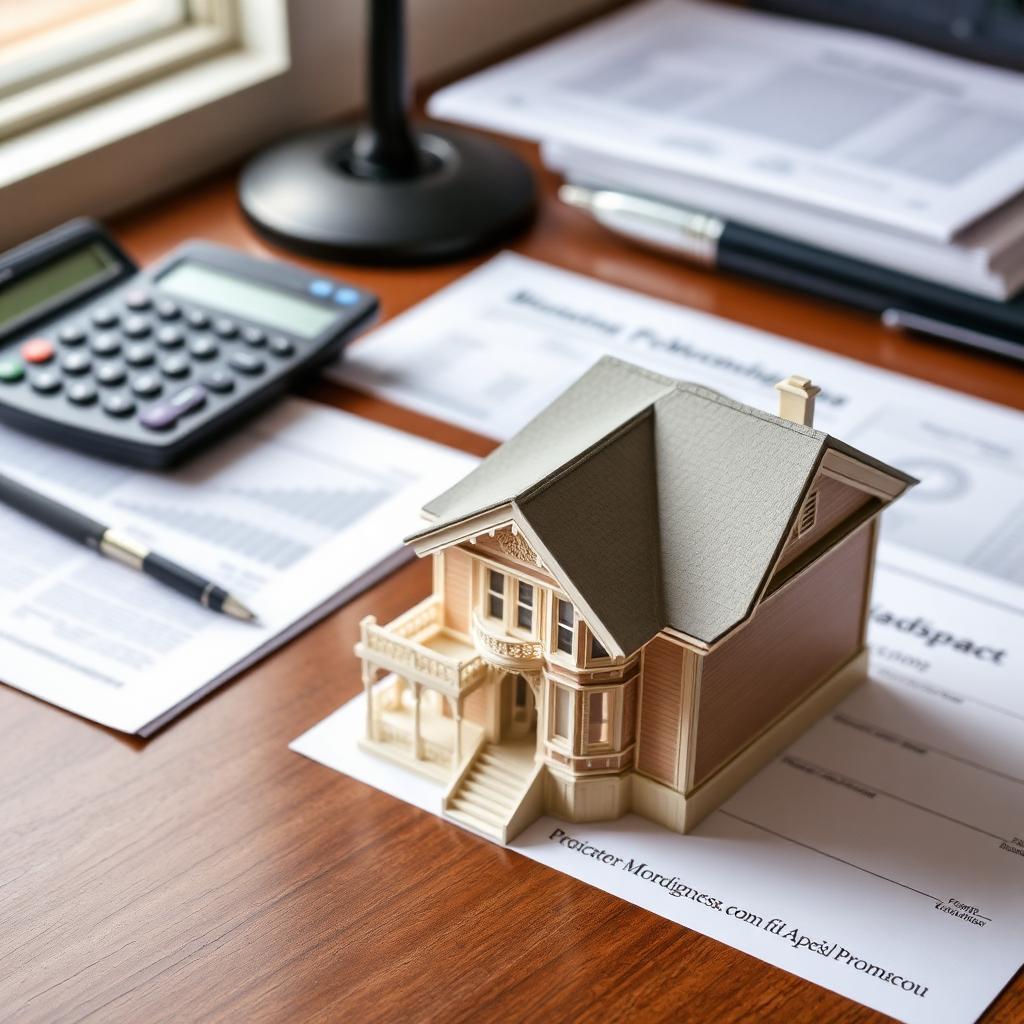
Why this question matters more in San Francisco than almost anywhere else
I'm Christopher Lee, a San Francisco Realtor. Buyers ask me "should I use FHA or conventional?" almost every week. Online calculators give a tidy answer. SF gives a messier one.
In most US markets, FHA is just "the low-down-payment loan." In San Francisco, FHA carries a reputation — fair or not — among listing agents that quietly affects whether your offer gets accepted. Picking the right loan in SF isn't just about the lowest rate; it's about which loan lets you actually win a property.
This guide is what I tell clients in a 30-minute consult, in writing.
The 60-second summary
- FHA: 3.5% down, more flexible credit and debt-to-income (DTI), mortgage insurance for the life of the loan in most cases.
- Conventional: typically 3%–20%+ down, stricter credit/DTI, PMI that drops off once you hit ~20% equity.
- In SF, conventional wins for most W-2 buyers because of competitiveness in multiple-offer situations and the long-term cost of FHA's permanent MIP.
- FHA still wins for some buyers — lower credit scores, thinner reserves, or condos in approved buildings where the price gap covers the MIP cost.
Loan limits in San Francisco (and why they matter)
SF County has some of the highest conforming and FHA loan limits in the country because of high-cost-area designations. Exact limits update annually — check FHFA and HUD before you write — but practically:
- Conventional conforming limits cover most condos, many 2–4 units, and a chunk of starter SFHs in outer neighborhoods.
- FHA limits in SF are also elevated but typically lower than conforming.
- Above either limit, you're in jumbo territory — different loan, different underwriting. See my Jumbo Loan Guide.
If your target price is under the FHA limit, FHA is actually on the table. If it's above, the conversation is really conventional vs jumbo.
Head-to-head: FHA vs Conventional in SF
| Feature | FHA | Conventional |
|---|---|---|
| Minimum down payment | 3.5% | 3% (first-time buyer programs), often 5%–20% in SF |
| Min credit score (typical) | 580 | 620, but ~700+ to be competitive in SF |
| DTI flexibility | Up to ~50%+ with compensating factors | Usually capped near 43–45% |
| Mortgage insurance | Upfront MIP + monthly MIP, often for life of loan | PMI removable at ~20% equity |
| Property condition standards | Stricter FHA appraisal (peeling paint, handrails, etc.) | More flexible |
| Condo eligibility | Building must be FHA-approved (most SF condos are NOT) | Most warrantable condos qualify |
| Seller concessions allowed | Up to 6% | 3%–9% depending on down payment |
| Listing-agent perception in SF | Often seen as "weaker" offer | Default expectation |
Where FHA actually wins in San Francisco
- Credit score in the 580–679 range. Conventional pricing gets ugly fast under 680. FHA stays usable.
- Thin reserves. FHA allows 100% gift funds for down payment + closing.
- Higher DTI. Self-employed buyer with strong cash flow but tight ratios? FHA may still approve.
- 2–4 unit owner-occupied. FHA is one of the few low-down-payment paths to a small SF multi-family. See Investing in SF Multifamily Properties.
Where FHA quietly loses in SF
- Condos. Most SF condo buildings are NOT FHA-approved. Search HUD's condo lookup before you fall in love with a unit.
- Multiple-offer situations. When a Noe Valley listing gets 12 offers, listing agents and sellers often steer toward conventional or cash. Fair? No. Real? Yes.
- Older Victorians and Edwardians. The stricter FHA appraisal can flag deferred maintenance that a conventional appraiser would let slide — chipping paint, missing handrails, exposed wires. Repairs become a condition of closing, and many SF sellers won't agree.
- Permanent MIP. With less than 10% down, FHA mortgage insurance lasts the life of the loan. On a $1M SF purchase, that's tens of thousands of dollars you never get back.
The "blended" play I recommend most often
For SF buyers with strong credit who think they need FHA because of the down payment, I usually run two scenarios:
- FHA at 3.5% down with permanent MIP, and
- Conventional 97 / HomeReady / Home Possible at 3% down with removable PMI.
Nine times out of ten, the conventional path is cheaper over a 5–7 year hold AND more competitive in offers. The only catch is the credit and DTI bar.
The "listing-agent perception" problem (and how to neutralize it)
When two offers are close, listing agents look at the loan type to gauge certainty of close. FHA carries baggage — appraisal risk, condition repairs, longer timelines. You can soften this by:
- Getting fully underwritten pre-approval (not just a soft pre-qual). See Mortgage Pre-Approval in SF.
- Shortening contingencies where your lender supports it.
- Working with a lender SF listing agents know. Local credibility matters.
- Larger earnest money to signal commitment.
A real example from my practice
Buyer A had a 720 FICO, $180K W-2 income, and $90K saved. He came in convinced FHA at 3.5% was his only path on a $950K Outer Sunset SFH.
We ran conventional 5% down with PMI. Total monthly was $260 lower than FHA after factoring in MIP. Offer was accepted at $935K against four competing offers — one of which was FHA and got passed over despite being $10K higher.
Conventional wasn't always the obvious answer. But in SF, the answer is almost never obvious without running both side by side.
How to decide in 10 minutes
Ask your lender for:
- A loan estimate for FHA 3.5% down.
- A loan estimate for Conventional 3%, 5%, and 10% down.
- Total cost of ownership over 5 and 10 years for each.
- A note on whether your target buildings are FHA-approved (for condos).
Then run the numbers in my Buying Power Calculator and stress-test against the SF Buyer Closing Costs guide.
When you're ready
If you want a second pair of eyes on the FHA vs conventional decision for your specific SF target, schedule a consultation. I'll review your pre-approval, your target neighborhoods, and the actual competitive dynamics on the homes you're considering — and tell you straight which loan gives you the best shot.
How to choose between FHA and conventional in San Francisco
- 1Confirm price range and loan limits
Map your target price against current FHA and conforming limits in SF County.
- 2Pull both loan estimates
Have your lender quote FHA 3.5% AND Conventional 3%/5%/10% side by side.
- 3Total 5- and 10-year cost
Compare full cost of ownership including PMI/MIP, not just monthly payment.
- 4Check condo approval if applicable
Use HUD's FHA condo lookup for any building you're considering.
- 5Stress-test competitiveness
Talk to a local SF buyer's agent about how each loan plays in current bidding conditions.
- 6Decide and document
Get fully underwritten pre-approval on the chosen path before writing offers.
Frequently asked questions
The questions San Francisco buyers, sellers, and landlords ask me most often on this topic. All answers are expanded by default — click any question to collapse it.
Are FHA loans bad in San Francisco?+
Can I use FHA for a condo in SF?+
Does FHA require 20% down to avoid PMI?+
Is 3% down conventional really an option in SF?+
What credit score do I really need to be competitive in SF?+
Related San Francisco guides
Keep going — these are the next reads I'd hand a buyer client after this one.
Christopher Lee's definitive first-time buyer playbook for San Francisco — how to set a real budget, choose the right neighborhood, win in multiple offers, navigate TICs and condos, and avoid the mistakes that cost SF buyers six figures.
Look up any San Francisco property tax bill, parcel history, permit record, and assessed value the same way a working Realtor does — plus how supplemental bills, Prop 13, Prop 19, exemptions, and appeals actually affect what you pay.
The three ownership structures every San Francisco buyer evaluates — condominiums, tenancies-in-common, and single-family homes. Real cost differences, financing realities, and the trade-offs that actually matter.
Down payment is only one line. This guide walks through every dollar a San Francisco buyer needs at the closing table — lender fees, escrow, title, prorations, reserves, and the SF-specific items most first-time buyers miss.
The complete, plain-English guide to San Francisco rent control: which buildings are covered, how much rent can legally go up, allowable passthroughs, owner move-in and Ellis Act rules, buyouts, and the mistakes that cost landlords and tenants the most money.
The pre-listing playbook San Francisco sellers actually need: which projects return more than they cost, what to skip, the realistic prep timeline, and how staging works in SF (where Victorians, Edwardians, and small-footprint condos each need different treatments).
How to evaluate, underwrite, finance, and operate San Francisco multi-family properties — written from over a decade of buy-side and listing experience. Covers cap rates, rent-controlled rent rolls, condo and TIC exits, soft-story risk, and the underwriting mistakes that quietly destroy returns.
How much home can you afford?
Run real numbers on jumbo loan limits, down payment, and monthly costs for a San Francisco purchase.